by Noaman G. Ali “I just want to help children,” a voice called out in English from a clothing store in Thamel, a tourist [...]
by ILPS-Canada Commission in Support of Indigenous People’s Struggles For many years it has been clear that the struggles of Indigenous people represent a clear threat to Canadian capitalism and its state. Oka (1990), Gustafsen Lake (1995), Ipperwash (1995), Burnt Church (1999), and Caledonia (2006) have become place names symbolizing militant Indigenous resurgence. Each of [...]
Community to fight back with protest march and people’s report Police are taking lessons from the British occupation of Northern Ireland, and applying them to poor communities in Southern Ontario. This is the chilling conclusion of BASICS Kitchener-Waterloo’s research into the new PAVIS (Provincial Anti-Violence Strategy) model being deployed in Kitchener. PAVIS supposedly focuses on [...]
by James Chemose, Eric Omwanda & Owen Sheppard – LCO In the year 1963, Kenya attained a partial, political independence from the hands of its British colonial masters by both the edge of the sword and political negotiation. For many within Kenya, this was a cherished dream come true after many years of labour [...]
Statement and Call for Solidarity On International Women’s Day 2013 by the International League of Peoples’ Struggle – Canada As we raise our fists on International Women’s Day, we stand in solidarity with women around the world struggling for genuine liberation. Over 100 years ago, The International Working Women’s Conference suggested March 8 to celebrate [...]

by Renu Singh Whether it’s Tahrir Square in Cairo, streets of New Delhi, France, Pakistan, or Sri Lanka, there is an fierce demand for equality in the voices of all those protesting against sexual violence inflicted on women around the world. The India gang rape incident sparked anger and outrage at national and international levels, [...]

By Rhea Gamana I used to say that activists, especially the youth, were just complaining, paralyzing the traffic, and that they should do more productive things rather than going out to yell on the streets. I used to say to myself that they should just go abroad and earn a living. Then they would have [...]
by Nicole Oliver Dancing flash mobs popped up across the world in what was described as “a global strike” and “an invitation to dance” for women and those that love them to demonstrate commonality in the struggle against violence and women’s oppression. Toronto was among several Canadian cities “rising up” on Feburary 14th to a [...]
Resist the Criminalization of Indigenous Land Defenders! by Laura Lepper For information about the March 19 court support for Francine “Flower” Doxtator click this link. In March and July 2013, two Six Nations women Francine “Flower” Doxtator and Theresa “Toad” Jamieson will be dragged through the Canadian courts once again for their defense of their [...]
by Pablo Vivanco, for Barrio Nuevo It was the 13th of April, 2011. Thousands of people were flooding the streets of Caracas, making their way towards Miraflores, the Presidential Palace reserved for the President to operate from. Just months after torrential rains destroyed hundreds of homes in the barrios, the Venezuelan President had ordered that [...]

by Noaman G. Ali Hugo Chávez, the president of Venezuela and commander of the Bolivarian Revolution, died on March 5, 2013, after a long battle with cancer. There are many who will criticize Chávez and his legacy. Some are from entrenched upper classes, who want to maintain inequality and protect their privileges, and so oppose [...]
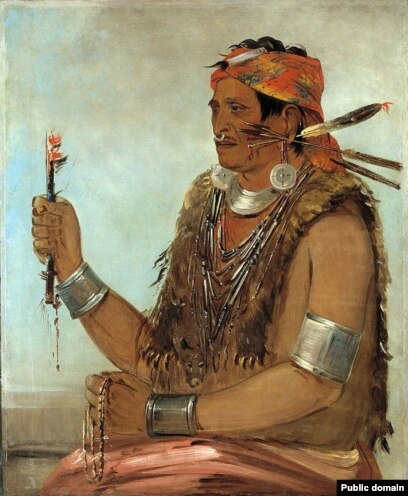
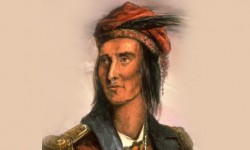
by Giibwanisi The occasion of the 200-year anniversary of the War of 1812 has brought Tecumseh back into the spotlight. The Tecumseh that many Canadians have been presented with is a great native leader who fought for the British Crown and helped save Canada from the Americans. This victor’s image of history is presented with [...]

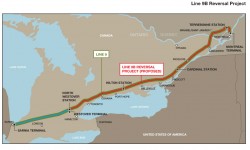
by Jesse M. Zimmerman Successive Conservative governments led by Prime Minister Stephen Harper have moved to make Canada an “energy superpower.” As a result, Alberta’s tar sands have become central to Canada’s economy. The tar sands are a massive patch of submerged oil, totaling 140,800 square kilometers. Extracting petroleum from the tar sands requires a [...]